Author: admin

  • Unlock Success: Why 9. Data-driven Decision Making CRM is Your Ultimate Business Advantage

    Unlock Success: Why 9. Data-driven Decision Making CRM is Your Ultimate Business Advantage

    Hey there, business owners! Ever wondered how some companies just get their customers and seem to make all the right moves? Chances are, they’re leveraging the power of 9. Data-driven decision making CRM. This isn’t just a fancy phrase; it’s a strategic approach that transforms raw customer data into actionable insights, helping you make smarter, more effective business decisions. Forget guesswork – it’s time to let your data lead the way!

    What is Data-driven Decision Making in CRM?

    At its core, 9. Data-driven decision making CRM means using the information stored in your Customer Relationship Management (CRM) system to guide your business strategies. Instead of relying on intuition or past experiences alone, you’re tapping into a rich reservoir of customer interactions, preferences, sales history, and more to inform every choice you make. This approach allows businesses to:

    • Understand Customers Better: Get deep insights into customer behavior, needs, and pain points.
    • Personalize Experiences: Tailor interactions, offers, and communication to individual customer segments.
    • Optimize Operations: Streamline processes, identify inefficiencies, and allocate resources effectively.
    • Predict Future Trends: Anticipate market shifts and customer demands to stay ahead of the curve.
    • Measure Performance Accurately: Track key metrics and evaluate the real impact of your strategies.

    Why is Data-driven Decision Making CRM a Game Changer?

    In today’s competitive landscape, simply having a CRM isn’t enough. The real magic happens when you actively use that data to drive your decisions. A 9. Data-driven decision making CRM empowers businesses to respond dynamically to market changes and customer feedback, leading to substantial improvements across the board.

    A diverse business team of four, two men and two women, looking at a large interactive digital dashboard displaying customer analytics, sales funnels, and marketing campaign performance. They are smiling and engaged in a discussion in a modern, brightly lit office, high-angle shot, photorealistic.

    Boosting Customer Satisfaction

    When you understand your customers deeply, you can provide exceptional service. Data-driven insights help you identify common customer issues, anticipate needs, and proactively offer solutions. This leads to happier customers, increased loyalty, and positive word-of-mouth.

    Supercharging Sales Performance

    Sales teams benefit immensely from data-driven decisions. By analyzing past sales data, lead sources, and customer profiles, they can:

    • Identify the most promising leads.
    • Personalize pitches and offers.
    • Forecast sales more accurately.
    • Spot cross-selling and upselling opportunities.

    Optimizing Marketing Campaigns

    No more shooting in the dark with your marketing efforts! A data-driven CRM helps you segment your audience precisely, understand what messages resonate with them, and determine the best channels for outreach. This means higher conversion rates and a better return on your marketing investment.

    Key Features of a Data-driven CRM

    For truly effective 9. Data-driven decision making CRM, look for systems that offer robust features like:

    • Advanced Analytics Dashboards: Visual, customizable dashboards that provide a real-time overview of key metrics.
    • Comprehensive Reporting Tools: Generate detailed reports on sales, marketing, customer service, and more.
    • Predictive Insights: AI-powered tools that forecast future customer behavior, sales trends, and potential churn.
    • Integration Capabilities: Seamlessly connect with other business tools (e.g., marketing automation, accounting) for a unified data view.
    • Customer Segmentation: Tools to easily group customers based on various criteria for targeted actions.

    Implementing Data-driven Decision Making with Your CRM

    Ready to get started? Here are a few tips to effectively implement data-driven decision making with your CRM:

    1. Define Your Goals: What do you want to achieve? (e.g., increase sales, reduce churn, improve customer satisfaction).
    2. Identify Key Metrics (KPIs): Determine which data points are most crucial for measuring your goals.
    3. Ensure Data Quality: “Garbage in, garbage out”! Keep your CRM data clean, accurate, and up-to-date.
    4. Train Your Team: Make sure everyone understands how to access and interpret CRM data.
    5. Regularly Review & Adapt: Data insights are not static. Continuously analyze and adjust your strategies.

    A close-up shot of a hand interacting with a tablet displaying a CRM interface with various analytical tools like customer segmentation, sales forecasting, and real-time performance dashboards. The screen shows vibrant graphs and data points, with a slightly blurred modern office background, soft lighting, photorealistic.

    Conclusion

    Embracing 9. Data-driven decision making CRM isn’t just about adopting new technology; it’s about evolving your business mindset. By consistently leveraging the power of your customer data, you’ll be able to make more informed choices, build stronger customer relationships, and ultimately drive sustainable growth and success. So, are you ready to turn your CRM into a strategic powerhouse?

  • Unlock Success: The Power of 8. Personalized Customer Experience

    Unlock Success: The Power of 8. Personalized Customer Experience

    In today’s competitive market, merely meeting customer expectations isn’t enough. Businesses need to create memorable interactions that resonate on a personal level. This is where 8. Personalized customer experience comes into play, transforming how brands connect with their audience and build lasting loyalty. It’s about making each customer feel seen, heard, and valued, leading to stronger relationships and increased satisfaction.

    Why 8. Personalized Customer Experience is a Game-Changer

    Embracing an approach centered around 8. Personalized customer experience can dramatically shift your business trajectory. It moves beyond generic interactions, offering tailored engagements that speak directly to individual needs and preferences. This isn’t just a trend; it’s a fundamental shift in how successful businesses operate.

    Here’s why it’s a total game-changer:

    • Increased Customer Loyalty: When customers feel understood and valued, they are much more likely to stick around. Personalized interactions foster a deeper connection, turning one-time buyers into loyal advocates.
    • Higher Conversion Rates: Tailored product recommendations and offers are inherently more relevant, significantly boosting the chances of a purchase.
    • Enhanced Brand Perception: Brands that prioritize personalization are often perceived as more customer-centric, modern, and trustworthy.
    • Improved Customer Satisfaction: Happy customers are repeat customers. A personalized journey eliminates friction and adds value at every touchpoint, leading to overall greater satisfaction.

    Understanding Your Customers

    The foundation of any great 8. Personalized customer experience lies in deep customer understanding. This involves collecting and analyzing data, from basic demographics to complex purchase histories and browsing behaviors. Utilize surveys, feedback forms, and direct interactions to truly get to know your audience.

    Tailoring Interactions

    Once you understand your customers, you can start tailoring every interaction. This includes custom content delivery, personalized product recommendations, and relevant, timely communication across all channels. The goal is to make each customer feel like their specific needs are being addressed.

    Strategies for Boosting 8. Personalized Customer Experience

    Ready to elevate your customer interactions? Implementing effective strategies is key to harnessing the full potential of 8. Personalized customer experience. It requires a blend of technology, data, and a customer-first mindset.

    A diverse group of smiling customers interacting happily with a friendly customer service representative in a modern, brightly lit office environment, showcasing personalized engagement.

    Leverage Data Analytics

    Data is gold! Utilize advanced analytics tools to process customer data. Identify patterns, predict future behaviors, and uncover hidden preferences. This insight is crucial for crafting truly personalized experiences that resonate.

    Implement CRM Systems

    Customer Relationship Management (CRM) systems are indispensable. They centralize customer information, making it easy for your team to access past interactions, preferences, and purchase history. This ensures a consistent and personalized experience, no matter who the customer interacts with.

    Offer Customized Recommendations

    Think like Amazon or Netflix. Use algorithms to suggest products or content based on past purchases, browsing history, and even demographic data. Customized recommendations not only drive sales but also make customers feel like you genuinely understand their interests.

    Personalize Communication

    From using a customer’s name in emails to sending birthday discounts or tailored promotions based on their preferences, personalized communication goes a long way. Choose the right channels and timing to deliver messages that are relevant and welcome.

    The Future is Personal: The Power of 8. Personalized Customer Experience

    The landscape of customer engagement is constantly evolving, but one thing is clear: personalization is here to stay. The businesses that master 8. Personalized customer experience today will be the leaders of tomorrow. It’s about building relationships, not just making sales.

    A futuristic digital interface displaying various customer profiles with personalized data points and tailored product recommendations, set against a backdrop of a city skyline, emphasizing advanced personalization technology.

    By consistently delivering unique and relevant interactions, you’re not just satisfying customers; you’re creating advocates who will champion your brand. So, embrace personalization and watch your business thrive in the modern era!

  • Mastering Efficiency: 7 Ways to Streamline Business Processes for Ultimate Success

    Mastering Efficiency: 7 Ways to Streamline Business Processes for Ultimate Success

    Running a business can feel like juggling a dozen balls at once, right? It’s easy to get bogged down by repetitive tasks, unnecessary steps, or just plain old inefficiency. But what if there was a way to make everything smoother, faster, and more productive? That’s where the power to 7. Streamline business processes comes in! This isn’t just a fancy buzzword; it’s a game-changer for businesses looking to boost their bottom line and reduce headaches. Let’s dive into how you can make your operations sing.

    Why You Should Streamline Business Processes (Like, Yesterday!)

    Think about it: every minute saved, every error avoided, every task simplified adds up. When you take the time to streamline business processes, you’re not just making things neater; you’re building a more robust, agile, and profitable enterprise. Here are some awesome benefits:

    Boost Efficiency and Productivity

    Imagine your team spending less time on tedious data entry and more time on creative, high-impact projects. Streamlining helps eliminate redundant steps and bottlenecks, allowing your employees to focus on what truly matters. This leads to higher output and happier teams – a win-win!

    Reduce Costs

    Inefficiency is a silent killer of profits. Unnecessary steps consume time, labor, and resources. By optimizing your processes, you can identify areas to cut costs, reduce waste, and allocate your budget more effectively. Less waste means more savings!

    Improve Customer Satisfaction

    Smoother internal processes often translate directly into better customer experiences. Faster service, fewer errors, and more consistent quality mean happier customers who are more likely to stick around and recommend you to others.

    How to 7. Streamline Business Processes Effectively

    Ready to roll up your sleeves? Here’s how to start making those operations sparkle. Remember, the goal is to make things easier, not harder!

    Identify Bottlenecks

    First things first, figure out where things are getting stuck. Map out your current processes from start to finish. Where do delays happen? What tasks take too long? Which departments are waiting on others? Pinpointing these pain points is the first step to fixing them.

    Automate Repetitive Tasks

    Many daily tasks, like sending follow-up emails, scheduling appointments, or data syncing, can be automated. Tools and software are your best friends here! By taking these mundane tasks off your team’s plate, you free them up for more strategic work. Imagine the time saved!

    A diverse team of office workers smiling and collaborating around a large digital display showing automated workflow charts and task management software. The setting is a modern, brightly lit office, with a focus on technology making work easier. Photorealistic, high detail.

    Standardize Workflows

    Create clear, documented steps for common processes. This ensures consistency, reduces errors, and makes onboarding new employees a breeze. Everyone knows exactly what to do and how to do it, eliminating guesswork and confusion.

    Use the Right Tools

    Don’t be afraid to invest in technology that supports your streamlining efforts. Project management software, CRM systems, accounting platforms, and communication tools can significantly enhance efficiency when used correctly. The right tech can be a game-changer.

    Regular Review and Optimize

    Streamlining isn’t a one-and-done deal. Business environments evolve, and so should your processes. Regularly review your workflows, gather feedback from your team, and look for new opportunities to optimize. Continuous improvement is key to staying ahead.

    A close-up, high-angle shot of a hand using a stylus to interact with a tablet displaying a complex yet clean business process flowchart. The screen shows various interconnected steps with green checkmarks indicating optimization. In the background, a blurred modern office environment suggests ongoing work. Photorealistic, detailed, soft lighting.

    Conclusion

    Taking the time to streamline business processes is one of the smartest moves you can make for your company. It leads to increased efficiency, significant cost savings, and happier customers and employees. So, what are you waiting for? Start identifying those bottlenecks and get ready to transform your business for the better!

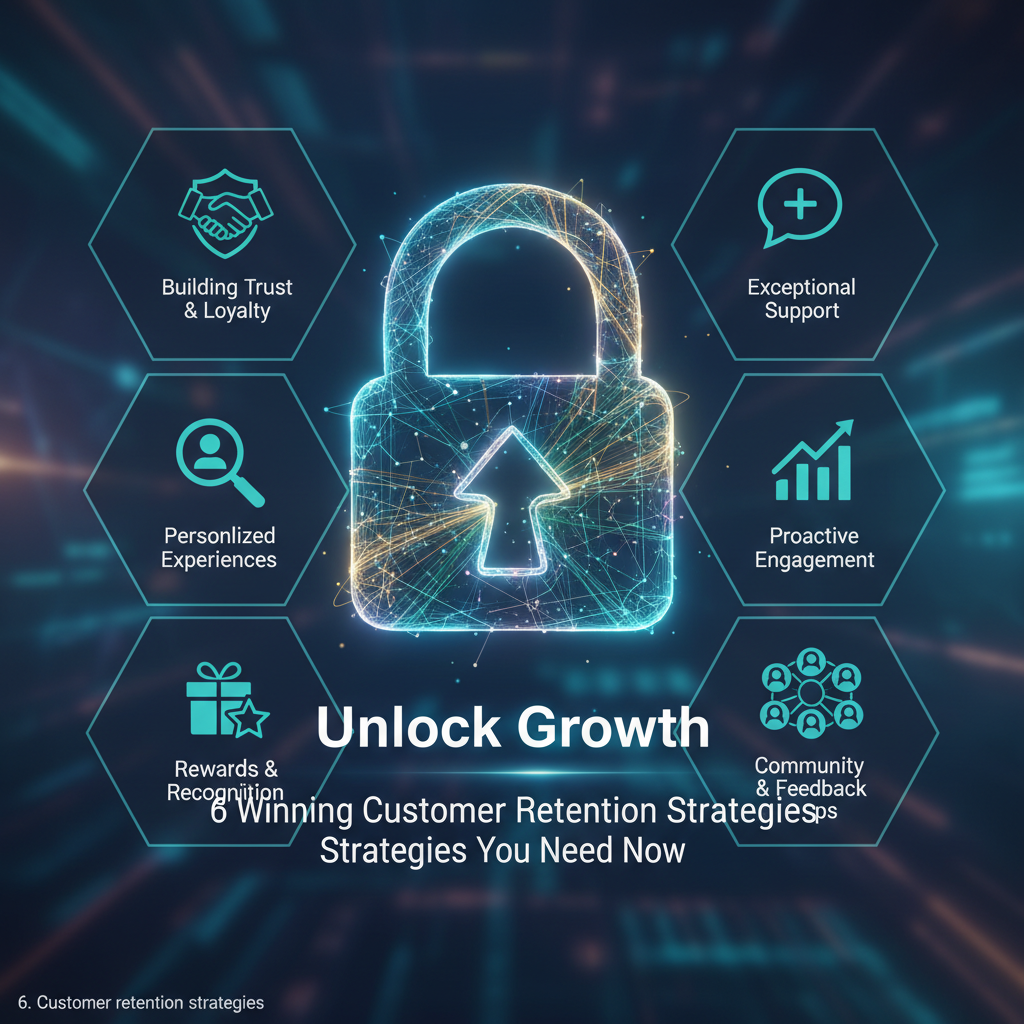
  • Unlock Growth: 6 Winning Customer Retention Strategies You Need Now

    Unlock Growth: 6 Winning Customer Retention Strategies You Need Now

    In today’s competitive market, attracting new customers is just half the battle. The real secret to sustainable growth lies in keeping the ones you already have. That’s where customer retention strategies come into play! Think about it: a loyal customer base not only ensures a steady revenue stream but also turns into your biggest advocates, spreading positive word-of-mouth.

    Why focus on customer retention? Because it’s often more cost-effective than customer acquisition. Plus, repeat customers tend to spend more over time. So, if you’re looking to boost your bottom line and build a thriving business, mastering these strategies is a must. Let’s dive into 6 customer retention strategies that can transform your business.

    1. Deliver Exceptional Customer Service, Always

    This might seem obvious, but it’s the bedrock of any successful retention effort. When customers feel valued and heard, they’re more likely to stick around. Exceptional service isn’t just about solving problems; it’s about anticipating needs, being proactive, and making every interaction a positive one. Train your team to be knowledgeable, empathetic, and efficient. A little extra effort here goes a long way in building lasting loyalty.

    A friendly customer service representative smiling and helping a customer via a headset, in a modern, bright office setting. The focus is on helpfulness and positive interaction. photorealistic, high detail

    2. Embrace Personalization in Every Interaction

    Gone are the days of one-size-fits-all marketing. Today’s customers expect a personalized experience. This means understanding their preferences, purchase history, and even their browsing behavior to offer relevant products, services, or content. From personalized email recommendations to tailored product suggestions on your website, showing that you understand and care about their individual journey can significantly enhance their connection to your brand. Personalization makes customers feel special, not just another number.

    3. Implement Robust Loyalty Programs

    Who doesn’t love to be rewarded? Loyalty programs are fantastic customer retention strategies because they incentivize repeat purchases and build a sense of belonging. Whether it’s a points system, tiered rewards, exclusive discounts, or early access to new products, a well-designed loyalty program encourages customers to keep coming back. Make sure your program is easy to understand, offers real value, and is simple to redeem.

    4. Maintain Consistent and Valuable Communication

    Staying in touch with your customers is crucial, but it needs to be done thoughtfully. Don’t just spam them with sales pitches. Instead, focus on providing value through your communications. This could include helpful tips, industry insights, updates on new features, or just a friendly check-in. Use various channels like email, social media, or even personalized messages, ensuring your content is relevant and not overwhelming. The goal is to nurture the relationship, not bombard it.

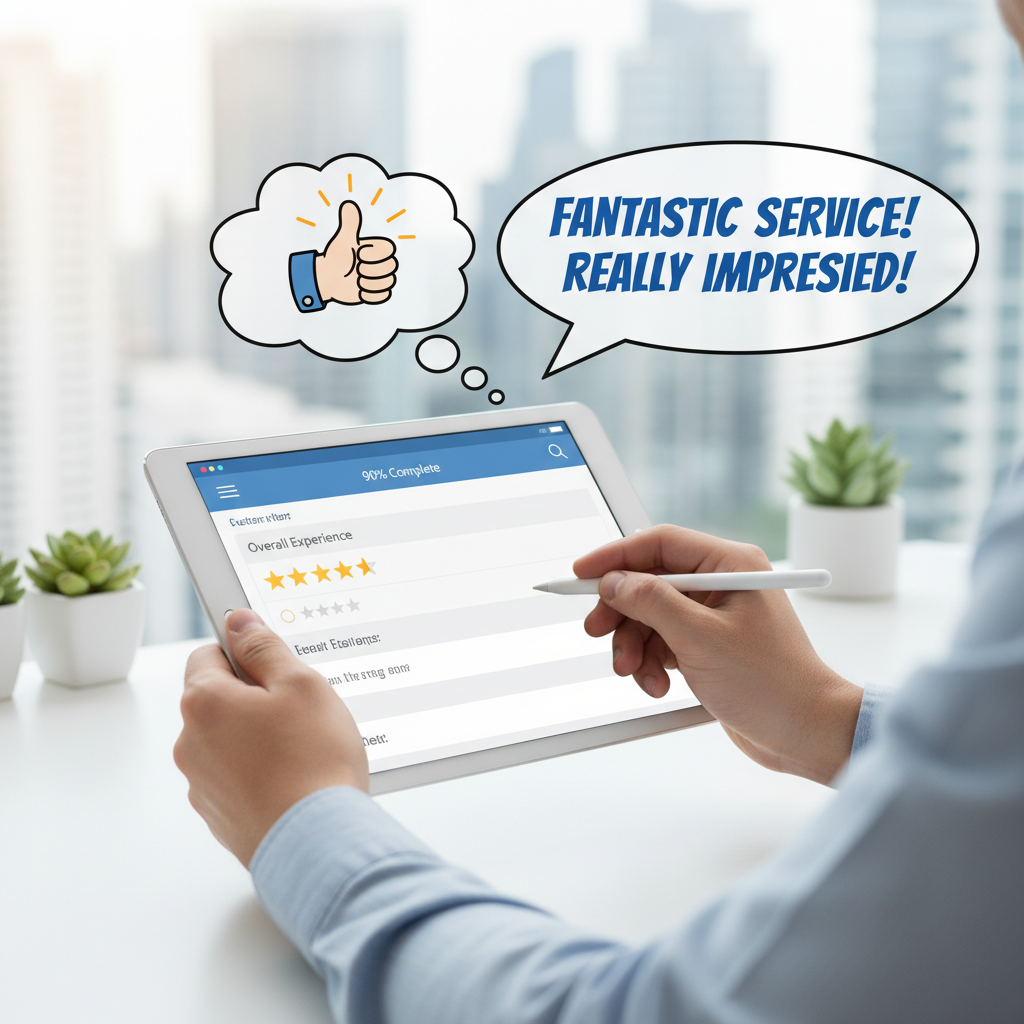
    5. Actively Collect and Respond to Feedback

    Showing customers that their opinions matter is a powerful way to retain them. Regularly solicit feedback through surveys, reviews, or direct conversations. More importantly, act on that feedback! When customers see their suggestions implemented or their concerns addressed, it builds trust and demonstrates that you’re committed to improving their experience. This continuous loop of feedback and improvement is one of the most effective customer retention strategies.

    A person filling out a customer satisfaction survey on a tablet, with a thought bubble above showing a thumbs up and a speech bubble with positive feedback. The setting is clean and modern, emphasizing user input. photorealistic, high detail

    6. Foster a Sense of Community

    Beyond transactional relationships, building a community around your brand can create incredibly loyal customers. This might involve creating online forums, hosting user groups, organizing events, or simply encouraging customers to share their experiences and connect with each other. When customers feel part of something bigger, they develop a deeper emotional connection to your brand, making them less likely to switch to a competitor. A strong community transforms customers into advocates and evangelists.

    Ready to Boost Your Customer Retention?

    Implementing these 6 customer retention strategies isn’t just about reducing churn; it’s about building stronger relationships, increasing customer lifetime value, and ultimately, ensuring your business thrives for years to come. Start by picking one or two strategies and see the positive impact they can have on your customer loyalty and overall growth. Happy retaining!

  • Unlock Your Potential: Why . Customer Engagement Software is a Game-Changer for Modern Businesses

    Unlock Your Potential: Why . Customer Engagement Software is a Game-Changer for Modern Businesses

    Hey there! Ever wondered how some businesses just seem to get their customers? They know what you like, when you need help, and even anticipate your next move. Chances are, they’re rocking some awesome . Customer engagement software. This isn’t just a fancy tool; it’s the secret sauce for building lasting relationships and driving real growth.

    What Exactly is . Customer Engagement Software?

    At its core, . Customer engagement software is a suite of tools designed to help businesses interact with their customers across various touchpoints. Think of it as your all-in-one platform for managing communications, tracking interactions, gathering feedback, and ultimately, making your customers feel valued. It’s about moving beyond transactional relationships to creating genuine connections that foster loyalty and advocacy.

    In today’s fast-paced digital world, customers expect personalized experiences and quick responses. A robust . Customer engagement software solution makes it possible to meet these expectations, streamlining processes and ensuring every customer interaction is meaningful.

    Why Your Business Needs . Customer Engagement Software, Like, Yesterday!

    Still on the fence? Let’s dive into some compelling reasons why integrating . Customer engagement software can transform your business:

    • Boosts Customer Loyalty: Happy customers stick around. By consistently engaging with them and providing value, you build trust and loyalty.
    • Enhances Customer Experience (CX): This software helps you understand customer journeys, identify pain points, and deliver seamless, positive experiences at every stage.
    • Increases Retention Rates: When customers feel heard and appreciated, they’re less likely to churn. Proactive engagement keeps them coming back.
    • Drives Sales and Revenue: Engaged customers are more likely to make repeat purchases and recommend your brand to others.
    • Provides Valuable Insights: Get a 360-degree view of your customers, track their behavior, and analyze data to make informed business decisions.

    A diverse group of smiling business professionals collaboratively analyzing data on a large digital dashboard, representing improved customer engagement and data-driven insights. The setting is a modern, bright office.

    Boosting Customer Loyalty with the Right Tools

    Imagine being able to send personalized messages, offer tailored promotions, or quickly resolve issues before they escalate. That’s the power of effective customer engagement. This kind of software empowers your team to anticipate needs and provide solutions, turning one-time buyers into lifelong fans.

    Key Features to Look for in Top-Notch . Customer Engagement Software

    When you’re shopping around for the perfect . Customer engagement software, keep an eye out for these essential features:

    • Multi-channel Communication: The ability to connect with customers via email, chat, social media, SMS, and phone, all from one platform.
    • CRM Integration: Seamlessly connects with your existing Customer Relationship Management system for a unified view of customer data.
    • Automation Capabilities: Automate routine tasks like sending follow-up emails, onboarding sequences, or feedback requests.
    • Personalization Tools: Dynamic content and segmentation features to deliver highly relevant messages.
    • Analytics and Reporting: Robust dashboards to track key metrics, understand engagement patterns, and measure ROI.
    • Feedback Management: Tools for surveys, reviews, and sentiment analysis to gather and act on customer opinions.

    A minimalist graphic showing various communication icons (email, chat bubble, social media logos, phone icon) converging into a central hub, symbolizing multi-channel customer engagement software. Clean, modern design.

    Seamless Communication Across All Channels

    One of the biggest wins with . Customer engagement software is its ability to centralize communication. No more jumping between different apps to talk to customers. Everything is in one place, making your team more efficient and ensuring a consistent brand voice across all interactions.

    Choosing the Best . Customer Engagement Software for You

    Selecting the right . Customer engagement software depends on your specific business needs, size, and budget. Start by identifying your biggest customer engagement challenges and what you hope to achieve. Look for scalable solutions that can grow with your business and offer excellent support. A good vendor will provide demos and trials, allowing you to experience the software firsthand before making a commitment.

    Ready to transform how you connect with your customers? Investing in the right . Customer engagement software is a smart move that pays dividends in customer loyalty, satisfaction, and ultimately, your bottom line. It’s time to make your customers feel truly special!

  • Mastering Your Pipeline: 15. Sales Automation with CRM for Smarter Selling

    Hey there, sales champions! Ever feel like you’re drowning in repetitive tasks instead of closing deals? What if you could get a super-powered assistant to handle all the tedious stuff, leaving you free to focus on what you do best? That’s where 15. Sales automation with CRM comes into play. It’s not just a fancy buzzword; it’s your secret weapon to boost productivity, streamline operations, and ultimately, skyrocket your sales. Let’s dive into how this powerful combo can transform your business. ## What’s the Big Deal with 15. Sales Automation with CRM? Simply put, sales automation is all about using technology to automate manual, time-consuming tasks in your sales process. When you combine this with a Customer Relationship Management (CRM) system, you get a powerhouse tool that manages customer interactions, tracks leads, and automates follow-ups. Think of 15. Sales automation with CRM as your digital sales assistant, ensuring nothing falls through the cracks and every opportunity is maximized. ### Why Your Sales Team Needs This Upgrade Boosted Efficiency: Free up your sales reps from data entry and administrative tasks, letting them focus on selling. Better Lead Management: Automatically assign leads, track their journey, and ensure timely follow-ups without manual oversight. Improved Customer Experience: Deliver consistent and personalized communication, building stronger relationships. Data-Driven Insights: Get a clearer picture of your sales performance, identify bottlenecks, and pinpoint areas for improvement with comprehensive analytics. ## Key Features You’ll Love So, what kind of magic does 15. Sales automation with CRM bring to the table? Here are some standout features that make a real difference: Automated Lead Nurturing: Set up email sequences, reminders, and content delivery based on lead behavior, keeping prospects engaged. Task Management: Automatically create tasks for follow-ups, meetings, or calls, so your team never misses an important interaction. Workflow Automation: Design custom workflows for approvals, data updates, and inter-departmental handoffs, standardizing processes. Reporting & Analytics: Generate detailed reports on sales performance, pipeline health, and forecasting, providing actionable insights. Integration Capabilities: Connect with other essential tools like marketing platforms, accounting software, and communication apps for a seamless ecosystem.

    A vibrant, detailed, and photorealistic image showing a modern sales team happily collaborating around a digital dashboard displaying automated sales pipelines, lead nurturing sequences, and real-time performance metrics on a large screen, with various sales activities represented by flowing digital lines and data points.

    ## Getting Started: Implementing 15. Sales Automation with CRM Ready to jump in? Implementing 15. Sales automation with CRM doesn’t have to be overwhelming. Here’s a simple roadmap to guide you: 1. Define Your Goals: What do you want to achieve? (e.g., reduce manual data entry by 30%, improve lead conversion rates by 15%). 2. Choose the Right CRM: Research CRM platforms that offer robust sales automation features and fit your budget and business size. 3. Map Your Sales Process: Understand your current sales workflow to identify areas ripe for automation and improvement. 4. Configure & Customize: Set up automation rules, email templates, and workflows within your chosen CRM to match your specific needs. 5. Train Your Team: Ensure everyone understands how to use the new system effectively, promoting adoption and efficiency. 6. Monitor & Optimize: Regularly review performance and make adjustments as needed to keep your automation strategy sharp. ### Real-World Benefits You’ll See Shorter Sales Cycles: Faster lead response times and automated follow-ups push deals forward quicker. Higher Conversion Rates: Consistent communication and timely engagements mean more closed deals. Increased Sales Productivity: Reps spend less time on administrative tasks and more time on high-value selling activities. Better Forecast Accuracy: Data-driven insights lead to more reliable sales predictions and resource allocation. Enhanced Customer Relationships: Personalized interactions at scale build stronger loyalty and repeat business.

    A professional and photorealistic image of a diverse group of business people, smiling confidently, standing in a bright, modern office space with digital charts and growth graphs displayed on transparent screens behind them, symbolizing successful sales growth and increased efficiency through automation.

    ## Conclusion Embracing 15. Sales automation with CRM is no longer a luxury; it’s a necessity for any business looking to thrive in today’s competitive landscape. By automating your routine tasks, you empower your sales team, delight your customers, and pave the way for sustainable growth. So, what are you waiting for? Start exploring how sales automation can transform your business today!

  • Level Up Your Business: Why a Strong 14. Customer Database is Your Secret Weapon

    Level Up Your Business: Why a Strong 14. Customer Database is Your Secret Weapon

    Hey there, business owner! Ever wondered what truly fuels sustainable growth in today’s competitive landscape? It’s not always about flashy ads or viral trends. Often, the real magic happens behind the scenes, specifically with a well-managed 14. Customer database. Think of it as your ultimate treasure chest, brimming with insights about the very people who keep your business running.

    What Exactly is a Customer Database?

    So, what exactly is a customer database? Simply put, it’s an organized collection of information about your customers and potential customers. This isn’t just a list of names; it’s a dynamic repository that can hold everything from contact details to purchase history, preferences, interactions, and much more.

    Beyond Just Names and Emails

    A comprehensive 14. Customer database goes deep. It might include demographics, past support tickets, website browsing behavior, email open rates, and even social media engagement. The richer the data, the clearer the picture you get of each individual customer.

    Why You Need a Robust 14. Customer Database (Like, Yesterday!)

    Why should you care so much about building a robust customer database? Well, imagine trying to bake a cake without knowing the ingredients – messy, right? Your customer database provides all the ingredients for success.

    Personalize Customer Experiences

    With detailed info, you can offer tailored products, services, and communications. This makes customers feel valued and understood, leading to stronger relationships and increased loyalty.

    Boost Sales & Marketing Efforts

    Knowing your customers helps you create highly targeted marketing campaigns. No more guessing! You can segment your audience and send the right message to the right person at the right time, leading to higher conversion rates and sales. This also helps in identifying potential upsell or cross-sell opportunities within your existing 14. Customer database.

    Enhance Customer Retention

    Happy customers stick around. By understanding their needs and pain points, you can proactively address issues, offer timely support, and build loyalty that lasts a lifetime. A well-maintained customer database is key to identifying churn risks and implementing effective retention strategies.

    A diverse group of smiling business professionals collaboratively analyzing data on a large digital dashboard, with charts and graphs clearly visible. The overall mood is one of teamwork and strategic insight, in a modern office setting. Photorealistic.

    Building Your 14. Customer Database: Best Practices

    Ready to supercharge your customer insights? Here are some top tips for building and maintaining an awesome 14. Customer database:

    • Use the Right Tools: Don’t try to manage everything in a spreadsheet forever. Invest in a good Customer Relationship Management (CRM) system. Tools like HubSpot, Salesforce, or Zoho CRM are specifically designed to help you organize and leverage your customer data efficiently.
    • Collect Relevant Data: Focus on data that genuinely helps you understand and serve your customers better. Avoid collecting information you don’t need or won’t use. Quality over quantity!
    • Keep it Clean and Updated: Data decays faster than you think. Regularly audit your database, remove duplicates, update old information, and ensure accuracy. Stale data can lead to wasted marketing efforts and frustrated customers.
    • Ensure Data Security: Customer data is sensitive. Implement strong security measures to protect it from breaches. Comply with relevant data privacy regulations like GDPR or CCPA to build trust with your customers.

    A stylized illustration of a lock icon over a spreadsheet or database table, with data flowing securely into it. The background is a digital network pattern, emphasizing data security and privacy in a clean, modern style. Photorealistic.

    In a nutshell, a well-managed 14. Customer database isn’t just a fancy tool; it’s a fundamental pillar for modern business success. It empowers you to understand, engage, and delight your customers in ways that truly matter. So, if you haven’t already, it’s time to start nurturing your most valuable asset: your customer relationships, all starting with that powerful database. Happy growing!

  • Boost Your Business: Discover the Top 10 CRM for Small Business Solutions!

    Boost Your Business: Discover the Top 10 CRM for Small Business Solutions!

    Boost Your Business: Discover the Top 10 CRM for Small Business Solutions! Hello, fellow small business owners! Are you tired of juggling customer details on spreadsheets, missing follow-ups, or feeling like your sales process is more chaos than control? You’re not alone! Many small businesses face these challenges, but there’s a powerful solution: a robust Customer Relationship Management (CRM) system. And today, we’re diving deep into the 10 best CRM for small business options that can genuinely transform your operations. ## Why a CRM is Your Small Business’s Best Friend You might think CRM systems are just for big corporations, but that couldn’t be further from the truth. A CRM is a tool designed to help you manage and analyze customer interactions and data throughout the customer lifecycle, with the goal of improving business relationships with customers, assisting in customer retention, and driving sales growth. For a small business, a good CRM isn’t just helpful; it’s practically essential for scaling efficiently and staying competitive. ### The Game-Changing Benefits of CRM for Small Business Implementing a CRM for small business can unlock a treasure trove of benefits that directly impact your bottom line. Here’s a quick peek at what you stand to gain: Improved Customer Relationships: Keep track of every interaction, preference, and concern, making your customer service personalized and proactive. Streamlined Sales Processes: Automate repetitive tasks, manage leads more effectively, and shorten your sales cycle. Better Marketing Campaigns: Segment your audience accurately and deliver targeted messages that resonate, leading to higher conversion rates. Enhanced Data Organization: All customer data in one centralized, easily accessible location means no more hunting through disparate files. Increased Productivity: Your team spends less time on administrative tasks and more time on what truly matters: serving customers and making sales.

    A diverse team of small business professionals collaborating around a tablet, looking at charts and customer data, with a bright, modern office background. The image should convey teamwork, technology integration, and efficiency in a relaxed, friendly atmosphere. Photorealistic style.

    ## Our Top 10 CRM for Small Business Picks Ready to find your perfect match? We’ve rounded up the 10 best CRM for small business tools that are known for their user-friendliness, scalability, and powerful features. Let’s dig in! ### 1. HubSpot CRM Why it’s great for small businesses: HubSpot offers a fantastic free tier with essential CRM features, making it an excellent starting point. It’s incredibly user-friendly and can scale with your business. Key Features: Contact management, email marketing, live chat, meeting scheduling, sales pipeline tracking. ### 2. Zoho CRM Why it’s great for small businesses: Zoho CRM is known for its affordability and comprehensive suite of tools. It’s highly customizable and offers a wide range of features to automate sales, marketing, and customer support. Key Features: Lead management, workflow automation, analytics, AI assistant (Zia), inventory management. ### 3. Salesforce Essentials Why it’s great for small businesses: As a simplified version of the industry giant, Salesforce Essentials provides powerful CRM capabilities specifically tailored for smaller teams. It’s a great option if you plan to grow. Key Features: Account & contact management, lead-to-cash process, mobile app, Einstein Activity Capture. ### 4. Pipedrive Why it’s great for small businesses: Pipedrive is all about sales pipeline management. Its visual interface makes it super easy to track deals, manage leads, and focus on sales activities. Key Features: Visual sales pipeline, activity reminders, email integration, customizable dashboards. ### 5. Freshsales (Freshworks CRM) Why it’s great for small businesses: Part of the Freshworks ecosystem, Freshsales offers a unified platform for sales and marketing teams. It combines CRM, chat, and phone features to streamline customer engagement. Key Features: AI-powered lead scoring, visual sales pipeline, built-in phone, email sequencing. ### 6. Monday.com Sales CRM Why it’s great for small businesses: While known as a work OS, Monday.com has a dedicated CRM solution that is incredibly flexible and visual. It’s perfect for teams that love a customizable, board-based view. Key Features: Customizable pipelines, task management, automation, integration with other apps. ### 7. Keap (formerly Infusionsoft) Why it’s great for small businesses: Keap is an all-in-one CRM, sales, and marketing automation platform. It’s designed to help small businesses automate client acquisition, manage leads, and grow sales. Key Features: CRM, marketing automation, email marketing, sales pipeline, invoicing. ### 8. Insightly Why it’s great for small businesses: Insightly stands out with its strong project management capabilities integrated directly into the CRM. It’s perfect for service-based businesses that need to track projects alongside customer relationships. Key Features: Project management, relationship linking, lead routing, mobile app. ### 9. Apptivo Why it’s great for small businesses: Apptivo offers a broad suite of business management apps, including CRM, project management, invoicing, and more. You can pick and choose the apps you need, making it highly flexible. Key Features: Contact management, lead management, sales automation, field service management. ### 10. Agile CRM Why it’s great for small businesses: Agile CRM lives up to its name by offering a comprehensive, agile platform for sales, marketing, and service automation. It’s often praised for its robust feature set at a competitive price. Key Features: Contact management, marketing automation, help desk, gamification, appointment scheduling.

    A detailed infographic showing simplified icons representing various CRM features like contact management, sales pipeline, email marketing, and analytics, all connected to a central cloud icon, illustrating data flow and integration for a small business user. The style should be clean, modern, and easy to understand with a friendly color palette. Photorealistic.

    ## Choosing the Right CRM for Your Small Business With so many fantastic options for CRM for small business, how do you pick the right one? Here are a few things to consider: Your Budget: Many CRMs offer free trials or free tiers. Determine what you can realistically spend. Essential Features: What are your absolute must-haves? Sales tracking, email marketing, customer support? Ease of Use: Your team will actually use it if it’s intuitive and doesn’t require a steep learning curve. * Scalability: Choose a CRM that can grow with you. You don’t want to switch systems every year. ## Conclusion: Power Up Your Small Business with the Right CRM There you have it – our top 10 CRM for small business solutions designed to empower your growth! Investing in the right CRM system can revolutionize how you manage customer relationships, streamline your sales efforts, and supercharge your marketing campaigns. So, take the leap, explore these options, and find the CRM that helps your small business thrive! Happy selling!

  • Top 9 CRM Companies: Your Ultimate Guide to Boosting Customer Relationships

    Top 9 CRM Companies: Your Ultimate Guide to Boosting Customer Relationships

    Running a successful business today means more than just selling great products or services. It’s about building lasting relationships with your customers. That’s where Customer Relationship Management (CRM) comes in! If you’re looking to streamline your sales, marketing, and customer service efforts, exploring various 9 CRM companies is your first step.

    CRM systems are indispensable tools that help businesses manage and analyze customer interactions and data throughout the customer lifecycle, with the goal of improving business relationships with customers, assisting in customer retention, and driving sales growth. Let’s dive into some of the leading 9 CRM companies that can transform how you connect with your clientele.

    What Makes a Great CRM Company?

    Before we jump into the list, it’s good to know what separates the good CRM solutions from the truly great ones. A top-tier CRM company offers more than just contact management. It provides a comprehensive platform with features like:

    • Sales Automation: Automating repetitive sales tasks to boost efficiency.
    • Marketing Automation: Managing campaigns and lead generation.
    • Customer Service: Tools for ticketing, support, and feedback.
    • Analytics and Reporting: Gaining insights into customer behavior and sales performance.
    • Integrations: Connecting with other vital business tools.
    • Scalability: Growing with your business needs.

    A vibrant, detailed, and photorealistic image of a diverse group of business professionals collaboratively working around a large digital dashboard displaying various CRM metrics like sales funnels, customer satisfaction scores, and marketing campaign performance. The office environment is modern and bright, with people actively discussing data points, symbolizing efficient customer relationship management.

    Top 9 CRM Companies to Consider

    Here’s our rundown of the 9 CRM companies making waves in the industry, each with unique strengths to cater to different business sizes and needs.

    1. Salesforce

    Often considered the pioneer in cloud-based CRM, Salesforce offers an incredibly robust and comprehensive suite of products. From sales and service to marketing and analytics, it’s a powerhouse for businesses of all sizes, though particularly popular with larger enterprises due to its extensive customization options and vast ecosystem.

    2. HubSpot CRM

    HubSpot stands out with its user-friendly interface and a generous free CRM plan, making it an excellent choice for startups and small to medium-sized businesses. It seamlessly integrates with HubSpot’s marketing, sales, and service hubs, providing an all-in-one platform for inbound strategies.

    3. Zoho CRM

    Zoho CRM is part of the broader Zoho One suite, offering a wide array of business applications. It’s known for its affordability and robust features, making it a strong contender for SMBs looking for a comprehensive yet cost-effective solution. It provides excellent sales automation, marketing automation, and customer support functionalities.

    4. Microsoft Dynamics 365

    For businesses deeply integrated into the Microsoft ecosystem, Dynamics 365 is a natural fit. It combines CRM and ERP capabilities, offering a holistic view of your business operations. It’s highly customizable and scalable, appealing to mid-sized to large enterprises.

    5. Freshsales (Freshworks CRM)

    Freshsales by Freshworks is designed with a focus on sales teams, offering AI-powered insights, lead scoring, and built-in phone and email. It’s intuitive, easy to set up, and offers a unified platform for sales and marketing professionals, making it a great option for growing businesses.

    6. Pipedrive

    Pipedrive is a sales-focused CRM known for its visual sales pipeline management. It helps sales teams organize leads, track progress, and close deals more efficiently. Its simplicity and focus on sales activities make it ideal for small businesses and sales teams who need a straightforward yet powerful tool.

    7. Insightly

    Insightly offers a powerful CRM solution specifically designed for small and growing businesses. It stands out with its project management features integrated directly into the CRM, helping teams not just manage customer relationships but also deliver on projects effectively. It also provides excellent lead management and reporting capabilities.

    8. ActiveCampaign

    While often celebrated for its marketing automation, ActiveCampaign also provides strong CRM functionalities. It excels at integrating email marketing, marketing automation, and sales automation into a single platform. This makes it a formidable tool for businesses focused on nurturing leads through personalized journeys.

    9. SugarCRM

    SugarCRM provides a highly flexible and customizable CRM platform that can be deployed on-premise or in the cloud. It caters to a wide range of businesses, offering robust sales, marketing, and service automation features. Its open architecture allows for significant customization, fitting unique business processes.

    Choosing the Right CRM for Your Business

    Selecting from these 9 CRM companies can feel like a big decision. The best CRM for your business depends on several factors:

    • Your Business Size: Are you a startup, SMB, or enterprise?
    • Your Budget: What can you realistically afford?
    • Key Features You Need: Are sales automation, marketing, or customer service your top priority?
    • Ease of Use: How quickly can your team adopt the new system?
    • Integration Needs: Does it play well with your existing software?

    A detailed, photorealistic image of a diverse group of small business owners or managers (3-4 people) gathered around a table, engaged in a thoughtful discussion. One person is pointing to a tablet screen displaying different CRM software logos and comparison charts, symbolizing the process of choosing the right CRM solution. The setting is a modern, cozy co-working space.

    Investing in the right CRM system is investing in your customer relationships and, ultimately, your business’s future. By carefully considering the offerings from these 9 CRM companies, you’re well on your way to finding the perfect partner to manage and grow your customer interactions. Happy CRM hunting!

  • Boost Your Business: Diving Deep into a Powerful 6. CRM Strategy

    Boost Your Business: Diving Deep into a Powerful 6. CRM Strategy

    Hey there, business owner! Ever wonder how some companies just get customer relationships? It’s rarely magic; it’s usually down to a well-crafted 6. CRM strategy. In today’s competitive landscape, simply having a CRM system isn’t enough. You need a strategic blueprint to truly maximize its potential and foster lasting customer loyalty. Let’s dive into what makes a CRM strategy successful and explore the six essential pillars you need to build yours.

    What Exactly is a CRM Strategy?

    A CRM strategy is more than just picking software. It’s an overarching plan that defines how your business interacts with customers throughout their entire lifecycle – from initial contact to becoming a loyal advocate. It involves understanding customer needs, streamlining processes, and leveraging technology to improve customer satisfaction, retention, and ultimately, your bottom line. A robust 6. CRM strategy ensures every customer touchpoint is optimized for a positive experience.

    Why a Robust 6. CRM Strategy is Non-Negotiable

    Think of your CRM strategy as the backbone of your customer-centric operations. Without it, your efforts might be scattered, inefficient, and fail to deliver the cohesive customer experience modern consumers expect. A strong 6. CRM strategy helps you:

    • Improve customer retention: Happy customers stick around.
    • Increase sales and revenue: Better understanding leads to better targeting.
    • Enhance operational efficiency: Streamlined workflows save time and money.
    • Gain actionable insights: Data-driven decisions are smart decisions.

    The 6 Pillars of a Winning CRM Strategy

    Ready to build a killer customer relationship plan? Here are the six crucial components of an effective 6. CRM strategy:

    1. Define Clear Objectives

    Before you do anything else, know what you want to achieve. Are you aiming to increase customer retention by 15%? Reduce customer service response times? Boost cross-selling? Your objectives should be Specific, Measurable, Achievable, Relevant, and Time-bound (SMART). These goals will guide every aspect of your CRM strategy.

    2. Understand Your Customers Inside Out

    You can’t serve someone well if you don’t know them. This pillar is all about developing detailed buyer personas and segmenting your customer base. What are their pain points? What do they value? How do they prefer to communicate? The more you know, the better you can tailor your interactions and offerings. This deep understanding is vital for a personalized 6. CRM strategy.

    A diverse group of business people collaborating and brainstorming, surrounded by sticky notes and digital screens showing customer data, vibrant and professional.

    3. Select the Right CRM Technology

    While strategy comes first, the right tool is essential for execution. Evaluate different CRM systems based on your specific needs, budget, scalability, and ease of integration with existing tools. Does it support your sales process? Can it handle your customer service volume? Is it user-friendly for your team? Don’t just pick the flashiest option; choose what fits your CRM strategy best.

    4. Optimize Your Processes

    Your CRM system is only as good as the processes it supports. Map out your current customer journey and identify bottlenecks or inefficiencies. How can you streamline lead nurturing, sales follow-ups, or support ticket resolution? A well-defined 6. CRM strategy helps automate repetitive tasks and ensures a consistent, smooth customer experience across all touchpoints.

    5. Empower Your Team with Training

    Even the best CRM system and strategy will fail without proper team adoption. Invest in comprehensive training for everyone who will interact with the CRM. Ensure they understand why the strategy is important and how to use the tools effectively. Ongoing support and clear communication about the benefits will boost user engagement and make your CRM strategy a collective success.

    A business team attentively participating in a modern CRM software training session, with a projector screen displaying software interface examples, bright and engaging.

    6. Measure, Analyze, and Adapt

    Your 6. CRM strategy isn’t a set-it-and-forget-it deal. Continuously track key performance indicators (KPIs) like customer lifetime value, churn rate, conversion rates, and customer satisfaction scores. Analyze the data to see what’s working and what isn’t. Be prepared to adapt your strategy based on these insights to ensure continuous improvement and relevance.

    Implementing Your 6. CRM Strategy Successfully

    Getting your 6. CRM strategy off the ground requires commitment. Start small, iterate, and celebrate quick wins. Communicate changes clearly to your team and gather their feedback regularly. Remember, a successful CRM strategy is a living document, constantly evolving to meet both your business goals and your customers’ changing needs.

    Ready to transform your customer relationships? By focusing on these six core pillars, you’re well on your way to crafting a CRM strategy that not only keeps customers happy but also drives significant business growth. Start strategizing today!